Buying second-hand, vintage, or antique furniture can be incredibly rewarding — as long as you know what to look for. A few simple checks can help you buy with confidence and avoid costly mistakes.
This guide covers the essential things to check before buying second-hand furniture — whether it’s modern used pieces, vintage finds, or antique furniture with history. Many concerns are easy to spot once you know where to look.
Always start with the structure. Gently rock the piece, check joints, and look for looseness or movement.
Cosmetic wear is usually fixable or purely aesthetic, but structural issues are harder and more expensive to resolve.
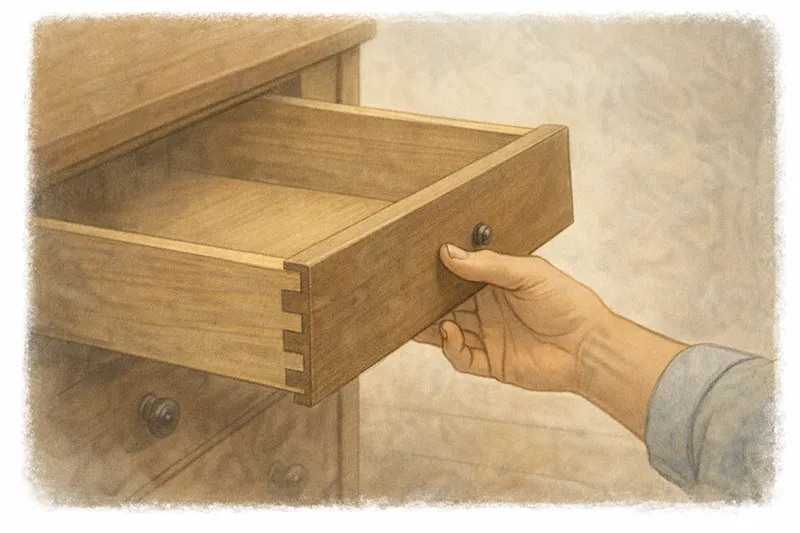
Solid wood furniture generally ages better than MDF or chipboard. Look at edges, undersides, and drawer interiors to understand how a piece was made.
Vintage and antique furniture often uses traditional joinery, which can be repaired rather than replaced.
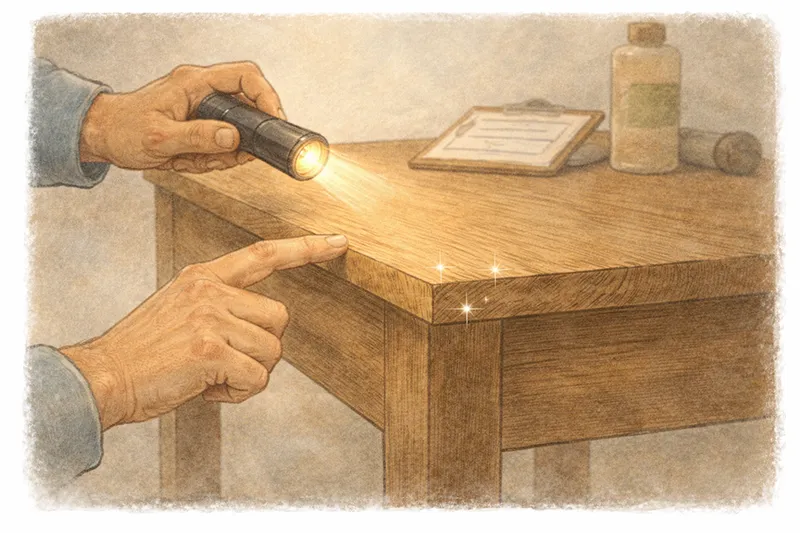
Scratches, marks, and patina are normal — especially on vintage and antique furniture.
Focus on whether repairs have been done well. Old repairs are common and often a sign that a piece has been valued and maintained over time.
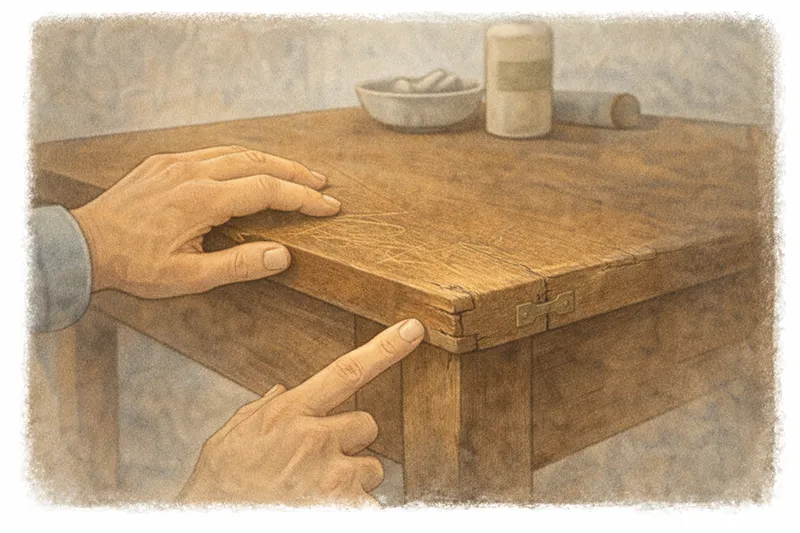
Smell can reveal a lot. Musty odours may indicate damp storage, while strong chemical smells can suggest recent treatments.
Furniture that has lived in dry, well-ventilated homes usually ages better than pieces stored in sheds or garages.

Always check measurements carefully — including doorways, staircases, and access routes.
Second-hand furniture is often heavier than modern alternatives, so plan transport and placement before buying.
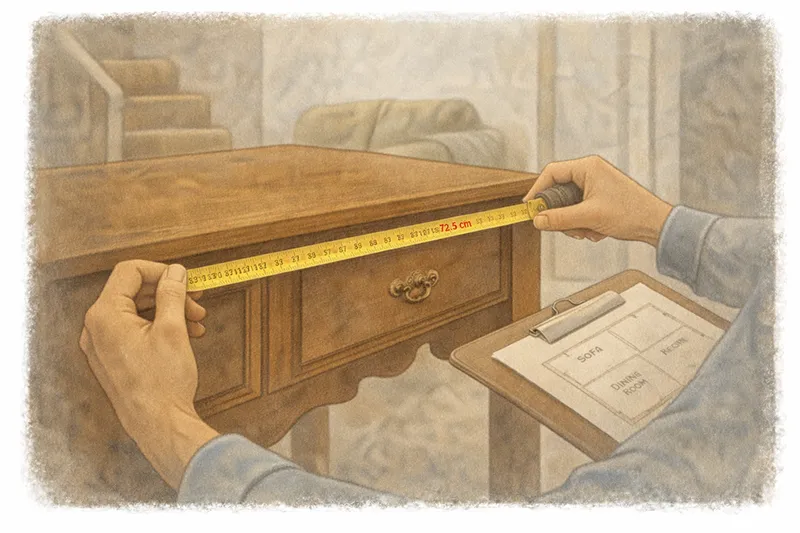
Older furniture naturally moves and changes over time. Small cracks, repaired joints, or historic alterations are usually part of a piece’s story rather than faults.\n\n When buying antiques, originality matters less than integrity. A stable, well-repaired piece is often more practical than one that’s untouched but fragile.
Knowing what to look for makes second-hand furniture a pleasure, not a risk.
Explore the marketplaceGot furniture you're ready to move on?
List it in minutes - early sellers get extra visibility and may qualify for 0% commission.
Learn how to sell Furnish Well
Buy and sell quality pre-loved, handmade and restored furniture — fast, simple and local.
We'd love to hear your thoughts about the Furnish Well Marketplace!
Feel free to share feedback or suggestions.
If it is about the page you're currently on, just tell us what you think - we'll know which page it's for.
If you'd like us to reply, please include your email address.